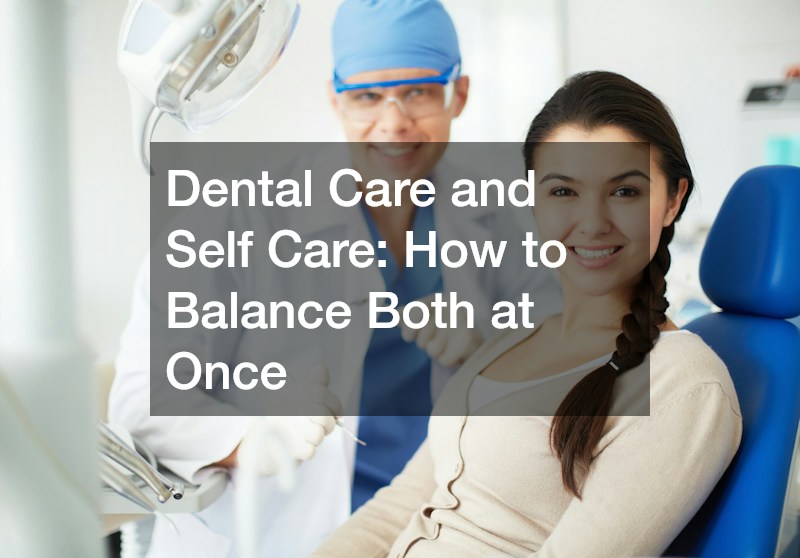

In today’s fast-paced world, maintaining a healthy balance between dental care and overall self-care can often feel challenging. While both aspects are crucial for promoting long-term wellness, they often require a mindful approach to integrate them seamlessly into our daily routines. This article explores the intersection of dental care and self-care, offering practical tips and insights on how to harmonize these essential elements of health, ensuring that your smile and well-being are always at their best. Join us as we delve into the ways you can create a balanced lifestyle that nurtures both your oral health and personal rejuvenation.
1. Importance of Family Dentist Office
A family dentist office plays a crucial role in maintaining the oral health of all family members, ensuring routine check-ups and preventative care. Regular visits to a family dentist office help in early detection of dental issues, preventing complications that require more extensive treatment. Educating families about dental health, these offices also provide valuable resources and guidance for at-home care.
For children, visiting a family dentist can foster a positive relationship with dental care early in life. Pediatric dental care is specialized to address the unique needs of growing children, making check-ups informative and enjoyable. Establishing these habits ensures children understand the importance of oral health as part of their overall well-being.
Reliable family dentist offices often provide a comprehensive range of services, from cleanings and fillings to more advanced treatments like orthodontics. This extensive care under one roof enhances convenience and fosters trust. When families attend one dental office, continuity of care improves, providing dentists with a holistic view of the family’s dental history.
2. Exploring Dental Implants
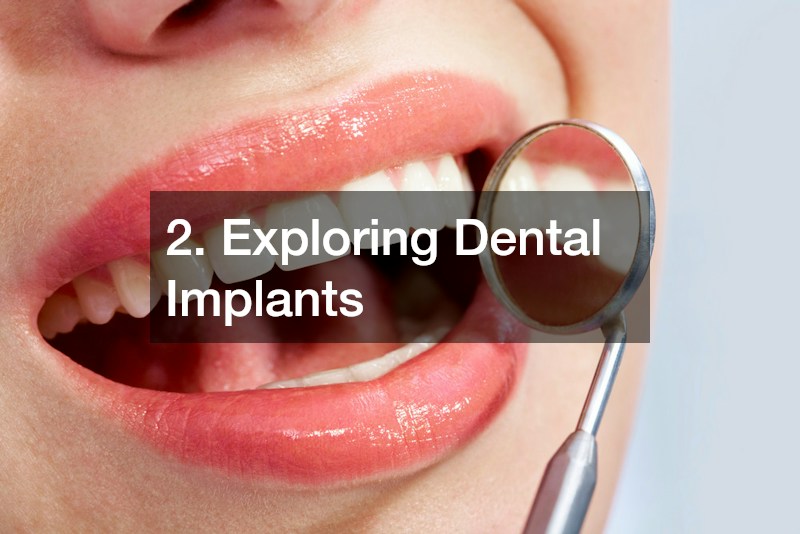
Dental implants are a modern solution for replacing missing teeth, providing a long-term and aesthetically pleasing option. The procedure involves surgically placing a metal post into the jawbone, onto which a crown is later attached. Although they require a significant investment, the durability and natural feel make dental implants a preferred choice.
The process of getting dental implants involves several stages, including initial consultation, insertion, and restoration. Each stage requires cooperation between the patient and the dental professional to ensure a successful outcome. Understanding the timeline and steps involved helps patients make informed decisions when considering dental implants.
Compared to other options like bridges or dentures, dental implants offer superior stability and hygiene. Unlike dentures, implants do not require adhesives and can significantly improve eating and speaking capabilities. They also enhance oral health by preventing bone loss, maintaining the natural shape of the face.
3. Caring for Metal Retainers
Metal retainers play an integral role in maintaining the alignment of teeth after orthodontic treatment. Proper care involves regular cleaning to prevent plaque build-up and bacteria growth. Healthy habits, such as soaking retainers in a cleansing solution overnight, ensure they remain effective and hygienic.
Cleaning your metal retainers isn’t just about hygiene; it’s also about maintaining the integrity of the metal and plastic components. Harsh brushing can scratch the surface, leading to microbial infestations, so gentle scrubbing is essential. Regular care and self-discipline in maintaining these routines are vital to longevity and effectiveness.
In addition to cleaning, regular adjustments at the family dentist office keep retainers in optimal working condition. Over time, retainers may need tweaking or replacement to accommodate changes in oral structure. Being proactive in these adjustments prevents discomfort and the risk of misalignments recurring.
4. Finding the Right Local Dentist
Choosing a local dentist is a critical decision that impacts your family’s ongoing oral health care. Proximity to home or work enhances convenience, increasing the likelihood of regular visits. A local dentist familiar with community health trends can offer personalized care that takes into account specific regional issues.
It’s beneficial to conduct thorough research into potential local dentist practices by comparing services, availability, and patient reviews. Once you shortlist potential candidates, visiting them can provide a tangible feel of their practice environment and confirm if it meets your expectations. This background work ensures you choose a dentist that aligns with your family’s needs.
Considerations such as referrals and recommendations from friends, family, and colleagues can be invaluable. Personal experiences and testimonials provide insight into a dentist’s skill and bedside manner, determining their fit for your family. Building a relationship with a trusted local dentist lays the groundwork for a lifetime of dental health.
5. The Role of Dental Labs
Dental labs are crucial players in the creation and customization of dental appliances like crowns, bridges, and prosthetics. Collaborating closely with dentists, dental labs ensure that the products are tailored to fit individual needs precisely. This partnership enhances the function and aesthetic appeal of dental solutions, contributing to a patient’s comfort and confidence.
Customization in dental labs involves the use of impressions and advanced technology to craft dental appliances accurately. Skilled technicians carefully handle each item, ensuring it meets the exact specifications provided by the dentist. This meticulous process is fundamental to achieving the desired outcome for both restorative and cosmetic procedures.
Working effectively with your dentist and the associated dental lab ensures that all dental appliances meet the highest standards of quality and functionality. This collaboration between patient, dentist, and lab is central to obtaining long-lasting and satisfying results. The mutual trust and communication among these entities underpin successful dental outcomes.
6. Exploring Laser Therapy in Dentistry
Laser therapy in dentistry has revolutionized treatments, offering painless and precise solutions for various dental issues. From reducing recovery time in gum surgeries to enhancing teeth whitening procedures, lasers are a versatile tool in modern dental practices. The ability to target specific areas minimizes damage to surrounding tissues, promoting faster healing.
The benefits of laser therapy are vast, with applications ranging from cavity removal to gum reshaping and bacterial reduction in root canals. Patients often report experiencing less discomfort and anxiety, owing to the minimally invasive nature of laser treatments. Incorporating laser therapy signifies the advancement and future orientation of dental care.
Comparing laser treatments to traditional methods reveals many advantages, including a reduction in the need for anesthesia. Lasers also offer increased precision, reducing the risk of post-procedural complications. These characteristics make laser therapy an attractive option for those seeking efficient and effective dental care.
7. Visiting a Salon for Dental Care
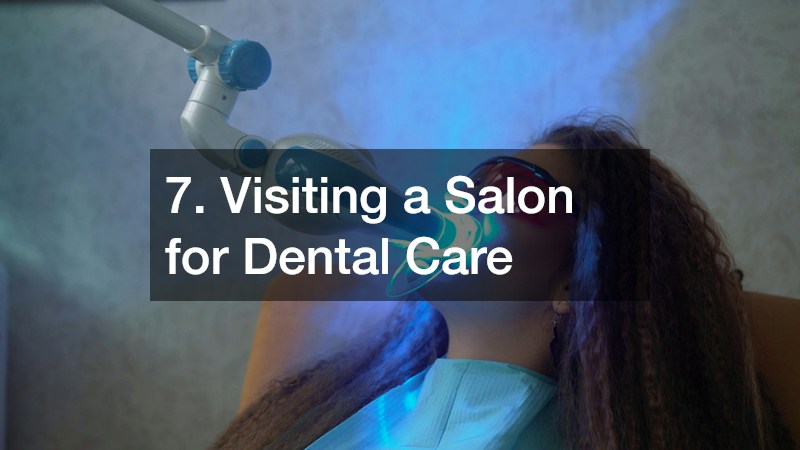
The concept of a salon offering dental care combines traditional dental services with a spa-like experience, enhancing patient comfort. Dental salons focus on providing an environment that reduces anxiety through tranquil surroundings and pampering amenities. Services often include teeth whitening, cleanings, and cosmetic procedures, all performed in a serene atmosphere.
Relaxation is at the center of the dental salon experience, where patients are encouraged to unwind while receiving high-quality care. The calming ambiance and personalized attention help alleviate common dental fears and enhance the overall experience. This innovative approach to dental visits can attract those who seek both health benefits and relaxation.
Such salons embody the essence of holistic well-being, marrying dental care with luxury spa services. Aspects like aromatic scents, gentle music, and soothing decor contribute to a comforting environment. Offering a reprieve from the hustle and bustle, these salons transform a dental visit into a self-care retreat.
8. Luxuries of a High-End Salon Experience
A luxury salon experience takes dental care to the next level with advanced treatments and state-of-the-art technology. Patients can indulge in high-quality care that incorporates the latest innovations to complement their dental health routines. These exquisite services not only improve teeth health but also enhance overall appearance, boosting self-esteem.
Within luxury salons, personalized care is a priority, ensuring every patient’s unique dental needs are met with precision. The skilled professionals in these salons invest in understanding and crafting client-specific treatment plans. From initial consultations to follow-up appointments, attentiveness to detail marks the extensive care provided.
The attention to detail and personalized approach in these settings reassures patients of comprehensive care that is both luxurious and effective. Advanced technology, coupled with professional expertise, guarantees a remarkable experience. This combination of high-end treatment and luxurious atmosphere fosters an atmosphere of distinction and sophistication in oral health care.
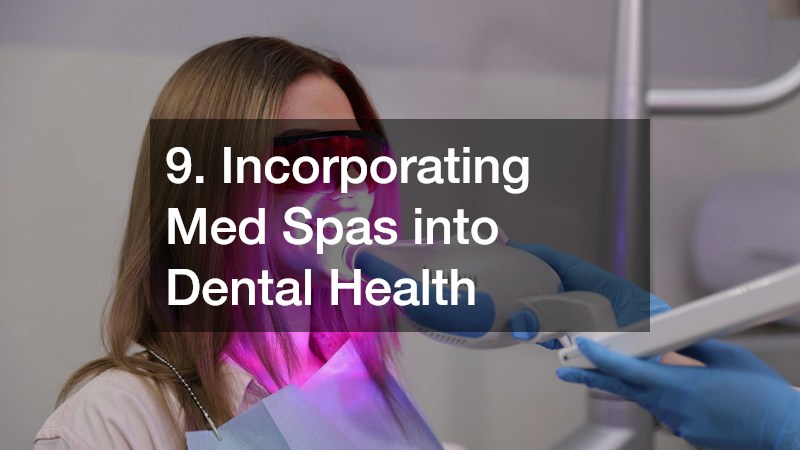
9. Incorporating Med Spas into Dental Health
Med spas offer an integrated approach that unifies medical, spa, and dental services to promote overall wellness. By incorporating these multifaceted services, patients can experience a cohesive journey towards enhanced health and relaxation. This synergy emphasizes the benefits of viewing dental health as part of broader self-care practices.
The integration of med spa services within dental care allows patients to access a broad spectrum of wellness treatments seamlessly. Such offerings might include massages or facial treatments before or after dental procedures, maximizing both health benefits and relaxation. The cohesive approach emphasizes that dental care contributes significantly to total body wellness.
Focusing on relaxation, med spas aim to diminish the fear of dental visits while enhancing patient satisfaction through comprehensive care models. Incorporating med spas into dental health regimens reflects the trend toward personalized, holistic care. This paradigm shift positions dental health as integral to self-care and overall well-being, encouraging consistent habits.
10. Consulting with a Doctor for Dental Concerns
When dental concerns intersect with broader health issues, consulting with a doctor becomes essential in developing a comprehensive care plan. A collaborative approach between physicians and dentists ensures that conditions like sleep apnea or TMJ are managed effectively. This teamwork harnesses diverse expertise to tackle oral health problems from multiple angles.
Doctors often contribute to a fuller understanding of how dental health interplays with systemic conditions such as diabetes or heart disease. The input from medical professionals can guide adjustments to treatment plans to optimize the outcomes of dental care. Effective communication between a dentist and doctor enriches patient care through shared knowledge and collaboration.
This partnership between medical arenas exemplifies the trend towards integrated health services, empowering patients through coordinated efforts. By addressing underlying health issues that impact oral conditions, patients benefit from a comprehensive approach. Such collaboration offers patients reassurance and a pathway to effective treatment for complex dental issues.
11. Understanding Dental Health as Self Care
Embracing dental health as a form of self-care prioritizes oral hygiene as a cornerstone of wellness. Incorporating regular dental check-ups into your routine is a proactive step in preserving not just tooth integrity but overall health. This mindset shifts dental care from task-based to nurturing, alleviating feelings of anxiety or neglect.
Understanding this connection also emphasizes the importance of dietary choices and lifestyle habits on oral health. Consistent care and awareness help prevent conditions such as cavities and gum disease, which can affect overall health and quality of life. Viewing dental visits as part of a holistic self-care regimen encourages positive practices extending beyond the dental chair.
Incorporating dental care into a comprehensive self-care routine increases confidence, attributes cleanliness to empowerment, and fosters self-esteem. The impact extends well past aesthetics, contributing to stress reduction and daily mindfulness. By integrating oral hygiene into overall wellness practices, you prioritize both health and happiness.
12. Benefits of Balancing Dental and Self Care
Balancing dental care and self-care results in improved confidence and self-esteem, directly affecting social and professional interactions. Healthy teeth and gums contribute significantly to appearance, influencing perceptions and self-image. This balance champions the philosophy of looking good and feeling great, fostering a positive mindset tailored towards well-being.
The long-term health implications of balanced care include minimized risk of chronic illnesses and enhanced systemic health. Dental health frequently reflects broader health trends, with gum disease linked to heart disease, for example. Embracing balanced care routines mitigates these risks, promoting longevity and quality of life.
Additionally, adopting a balanced approach motivates individuals to maintain consistency in caring for both dental and general health. By creating synergies between different self-care elements, patients enjoy a holistic improvement. This alliance nurtures both physical and psychological health, emphasizing harmonized wellness endeavors.
Conclusion
Integrating dental care with self-care practices establishes a holistic approach to health and well-being. When we think about self-care, we often imagine activities like taking long baths, practicing yoga, or enjoying a massage. However, oral health is an equally vital component of self-care and should not be overlooked. By emphasizing both preventative and luxurious elements in dental care, individuals can enjoy comprehensive health benefits while indulging in relaxation.
Preventative care in dentistry involves routine practices that help maintain oral health and prevent issues before they develop. This includes regular visits to a family dentist office for cleanings and check-ups. These visits are crucial as they catch potential problems early and ensure that your teeth and gums remain healthy. Furthermore, exploring options such as dental implants can help those who have lost teeth regain confidence and improve their dental function, leading to better overall quality of life.