
Taking care of your family’s dental health is crucial in ensuring overall health and well-being. Dental issues are not only painful but also can lead to more serious health problems if left unchecked. With a busy lifestyle, maintaining dental health can often be neglected, but with a little planning and consistency, it’s easier than it might seem. This article seeks to provide valuable insights into safeguarding your family’s dental hygiene through 10 effective methods. Let’s delve into ways to ensure vibrant smiles for every family member, young or old.
1. Start Dental Care Early
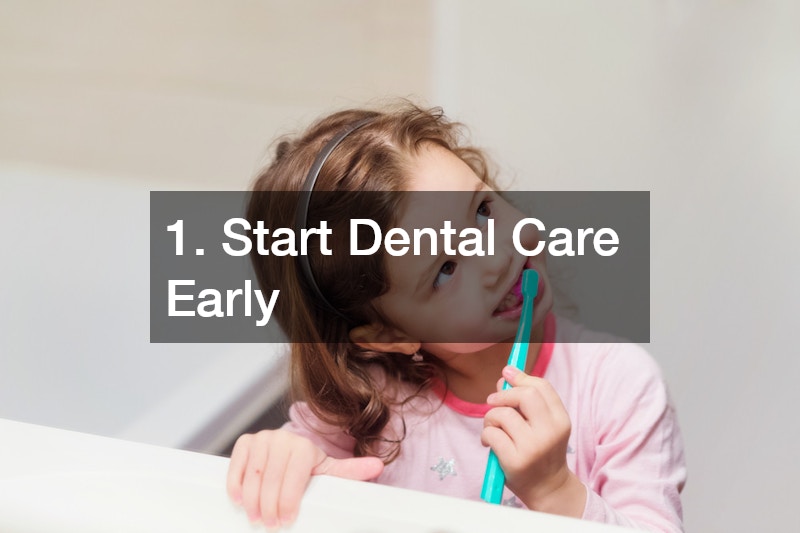
Introducing children to dental care at an early age is of immense importance as it lays the groundwork for lifelong healthy habits. It is crucial for parents to cultivate an environment where toddlers become familiarized with and understand the critical role that regular brushing and flossing play in maintaining oral health. By integrating these practices early on, children are not only educated about dental hygiene but also build a routine that they can carry into adulthood. Furthermore, introducing youngsters to dental services, such as routine check-ups and cleanings, at an early stage in their development can significantly reduce anxiety or fear that might arise from dental visits as they grow older.
While baby teeth, also known as primary teeth, will eventually fall out to be replaced by permanent teeth, they serve an essential function during childhood. Baby teeth act as crucial placeholders that guide the proper spacing and alignment of permanent teeth when they come in. If these primary teeth are cared for properly, it provides an excellent foundation for the future health and strength of adult teeth. With early initiation into dental care, children can have stronger and healthier permanent teeth as they mature. Scheduling regular check-ups with a skilled pediatric dentist not only helps in early identification and treatment of any dental issues but also ensures that any preventive measures can be taken in a timely manner.
Equally important to physical dental practices is educating children about the impact of nutrition on dental health. Teaching them about the importance of consuming a diet that is rich in calcium and low in sugars can greatly contribute to dental strength and reduce the likelihood of tooth decay. Foods such as milk, cheese, and leafy greens provide essential nutrients that are key to dental fortification. By instilling these dietary habits early, parents are not just fostering their children’s understanding of good oral hygiene practices, but also assisting in embedding an appreciation for the broader role that nutrition plays in dental and overall health. With these comprehensive efforts, children can grow up with a clear understanding of the core reasons for maintaining excellent oral hygiene.
2. Establish a Family Dentist
A family dentist is an invaluable resource who provides consistent care for all family members. This is especially important in maintaining optimal oral health across different stages of life, from childhood to adulthood. Regular visits to the dentist are proactive measures that help in the early detection of potential dental issues. By identifying problems early, it is often possible to prevent them from developing into more serious issues requiring complex and costly treatments in the future. This foresight and preventative approach can lead to better overall health outcomes for every member of the family.
One of the significant advantages of a family dental practice is the convenience it offers in scheduling appointments. Managing the dental health of an entire family can be challenging, but when you find a dental practice that caters to all ages, this logistical hurdle is significantly reduced. Being able to book appointments for everyone in a single location saves time and simplifies life for busy families. It allows for a streamlined process where children’s appointments can be conveniently coordinated with those for adults, without the need to visit multiple dental practices.
Building a relationship with a single dental service provider brings numerous benefits, foremost of which is the continuity of care. This continuity ensures that the dentist is familiar with the dental history of each family member, allowing for more personalized treatment plans that are tailored to individual needs and pre-existing conditions. The comfort and familiarity of seeing the same dentist over time greatly reduce the anxiety often associated with dental visits. This is particularly beneficial for children, who might feel nervous or scared about dental appointments. When children know what to expect and recognize the friendly face of their family dentist, their fears are significantly lessened. Likewise, parents appreciate the reassurance that their children’s health is in good hands.
Furthermore, your family dentist is not just there for regular cleanings and check-ups but is also a fantastic source of advice and guidance. They can provide valuable recommendations on preventive care, including tips on maintaining excellent oral hygiene at home. They may suggest specialized dental equipment, such as electric toothbrushes or water flossers, tailored to each family member’s specific needs. In emergency situations, having a trusted dental professional who is familiar with your family’s dental history can make all the difference. A family dentist is equipped to quickly assess and treat unexpected dental issues, providing peace of mind in times of stress.
In addition to providing treatment, family dentists play a crucial role in the education and reinforcement of proper dental care techniques. They can tailor their advice to suit the evolving needs of each family member, from instructing young children on how to brush correctly to advising older adults on managing dental health as they age. This educational aspect empowers families, giving them the knowledge necessary to maintain healthy teeth and gums throughout their lives. With a trusted family dentist, you are investing in a partnership that will help preserve the oral health of your family for years to come.
3. Purchase Dental Tools
Investing in high-quality dental equipment can significantly enhance your family’s oral care routine. Electric toothbrushes, water flossers, and other devices can provide more efficient cleaning and better access to hard-to-reach areas. These tools are instrumental in removing plaque and preventing gum disease.
In addition to traditional toothbrushes and floss, consider antibacterial mouthwashes and tongue scrapers. These items can target bacteria that cause bad breath and improve overall mouth hygiene. Many dental services providers recommend rotating the use of different dental tools to ensure comprehensive cleaning.
It’s also beneficial to educate all family members on the proper usage of dental equipment to maximize their effectiveness. Regular maintenance and timely replacement of these tools are necessary to avoid bacterial build-up and ensure optimal performance, contributing to healthier teeth and gums.
4. Attend Orthodontist Appointments
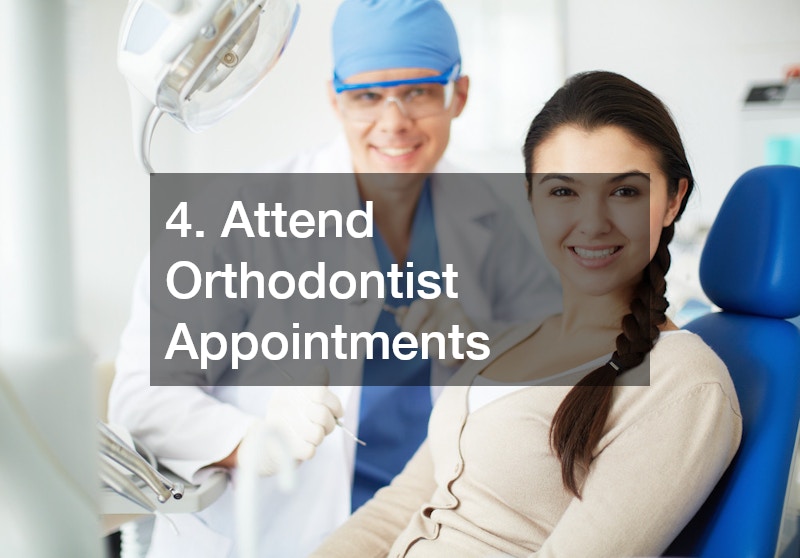
Orthodontic treatments such as braces or clear aligners can play a significant role in not just aesthetics but also dental health. Misaligned teeth can contribute to difficulties in cleaning, resulting in increased risk of tooth decay and gum disease. Consistent orthodontist appointments ensure that treatment progresses smoothly and problems are addressed swiftly.
Scheduling and attending regular orthodontist appointments help identify issues early, which can result in more straightforward and shorter treatment durations. These appointments are crucial to adjust braces or check the fit of aligners, preventing discomfort and ensuring effective teeth alignment.
An orthodontist can also provide guidance on specialized care during treatment, such as dietary adjustments and product recommendations. They can offer insights into the latest advancements in orthodontic technologies and techniques, allowing families to get the most out of their orthodontist appointments.
5. Don’t Forget About Home Care
While professional dental services are integral, at-home dental care practices lay the groundwork for healthy teeth. Brushing twice a day and flossing regularly are basic yet fundamental steps in preventing cavities and gum disease. Home care services often include educational resources and tools to enhance these daily practices.
Additionally, setting a regular oral care routine for all family members, including specific times for brushing, flossing, and rinsing, can lead to better compliance. Involving children in selecting their dental supplies such as toothpaste and brushes tends to increase their commitment to oral hygiene.
Monitoring the diet is another crucial aspect of home care, as consumption of sugary foods and drinks can lead to decay. Encouraging the intake of fruits, vegetables, and calcium-rich foods supports dental health. Home care, supplemented with periodic professional evaluations, forms a comprehensive approach to oral hygiene.
6. Utilize Medicare Insurance
Navigating Medicare for dental health services can greatly reduce out-of-pocket medical expenses. Medicare guidance can be instrumental in understanding what is covered under your plan and how to maximize its benefits for the family’s dental care needs. Utilizing Medicare can improve access to essential dental services.
Staying informed about changes in Medicare policies and potential additional coverage options for dental issues is crucial as this can influence your healthcare decisions. It’s important to ensure that the chosen dentist accepts Medicare, which can simplify the process of obtaining care and processing claims.
Efficiently utilizing Medicare not only benefits aged family members but can also open avenues for preventive care and treatments that contribute to the long-term dental health of the entire household. Seeking expert Medicare guidance can demystify complex policies and support informed decision-making.
7. Research Your Insurance Benefits

Understanding your dental insurance benefits is a vital step in planning for future expenses and accessing necessary care. An insurance company can provide detailed explanations of what your policy includes, such as routine care, orthodontics, and emergency treatments, allowing you to plan effectively.
Regularly reviewing your insurance plan and any updates ensures that you remain aware of potential changes that could affect coverage. This knowledge can aid you in budgeting for dental services throughout the year and avoid unexpected expenses by ensuring that you are making the most of available benefits.
Additionally, some insurance plans offer perks such as discounted rates on dental equipment or access to specialized programs for chronic conditions. Staying informed about these can provide added value and enhance the overall care your family receives, promoting lasting oral health.
8. Maintain Your Septic System
While often overlooked, maintaining your septic system is essential for preventing issues that could impact the water supply and, subsequently, your family’s dental routine. Engaging a local septic service to perform regular inspections and maintenance can prevent leaks that may lead to contaminated water.
A well-functioning septic system ensures that water used for brushing and cleaning is safe and free from harmful bacteria. This maintenance not only supports oral health but also protects against waterborne illnesses that could affect overall family wellness.
Furthermore, understanding the signs of septic system problems, such as slow drains or unusual odors, allows for swift action, thereby reducing the risk of serious complications. Regular interaction with a local septic service provides peace of mind, knowing that your home’s plumbing is in good working order.
9. Prevent Water Damage
Water damage in the home can detrimentally affect overall health, including oral hygiene. Ensuring timely repairs and preventive maintenance with the aid of local water restoration services can avert potential trouble. This maintenance often encompasses checking for leaks, maintaining gutters, and inspecting plumbing systems.
The accumulation of mold due to water damage can pose severe health threats, which could compromise immune systems and affect proper oral health management. Proactive local water restoration services detect early warning signs, allowing families to resolve issues before they escalate.
In addition to professional services, adopting simple preventive measures, like avoiding pouring harmful substances down drains, can minimize the need for extensive restorations. These protective actions contribute to a healthy home environment conducive to maintaining excellent dental health.
10. Maintain Your Bathroom

Regular maintenance of bathroom fixtures is another critical element in supporting your family’s dental health. Engaging a local plumber service to routinely check for leaks and functionality ensures constant access to clean water for brushing and oral hygiene routines.
Promptly addressing plumbing issues, such as faulty faucets or drains, minimizes water waste and prevents further structural damage. This proactive approach also ensures the hygiene level necessary for safe oral healthcare practices.
Bathroom maintenance goes beyond plumbing; ensuring that surfaces and storage are kept clean helps prevent the spread of bacteria where dental tools are stored. A local plumber service can offer valuable advice on maintaining fixtures and preventing problems that could hinder oral hygiene.
Ensuring that your family’s dental health remains a priority requires a commitment to regular care and professional guidance. By integrating these 10 actionable steps into your daily routine, you can protect and improve oral health for every family member. From early dental care to diligently understanding insurance benefits, each action contributes to a holistic dental care regime. The collective effort to maintain dental equipment, attend regular dentist and orthodontist appointments, and ensure home care services paves the way for lifelong oral hygiene and health. Taking these steps today secures smiles of tomorrow.